Custom Merch for YouTubers, Bands, Musicians & Creators
Drop your merch with zero inventory risk. Print-on-demand and white-label merch for YouTubers, bands and independent musicians, podcasters, comedians, streamers and dance crews — merch you sell to your own audience. Order a sample before you commit to a run — there is no minimum, whatever your follower count. Heavyweight French Terry and cotton 3T fleece available on small runs. Human design support. Worldwide fulfilment.
No MOQ — sample firstZero inventory riskWorldwide fulfilment
Use cases
What creators drop
Each scenario opens a curated landing page with the products we make for it.
Creator Merch
Merch drops for creators: 240 GSM French Terry oversized tees, drop-shoulder hoodies and crop tops. Print on demand or small runs, no MOQ.
View scenarioBand Merchandise
Tour merch for bands and artists: 240 GSM French Terry tees, fleece hoodies, caps and mugs. No MOQ, sample first, worldwide dispatch.
View scenarioPopular services
How creators launch
POD for the launch. Bulk and white-label when the design hits.
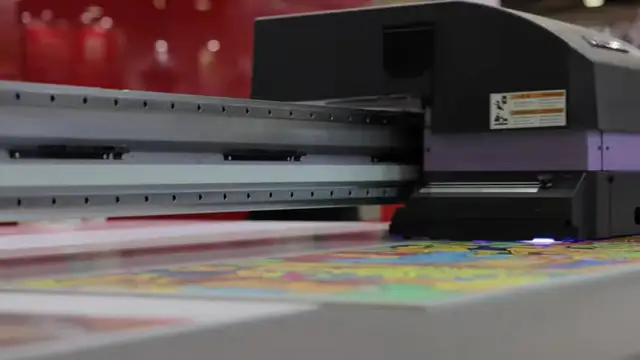
Print on Demand
Zero inventory risk, heavyweight French Terry on small runs, Worldwide fulfilment.Drop on demand 2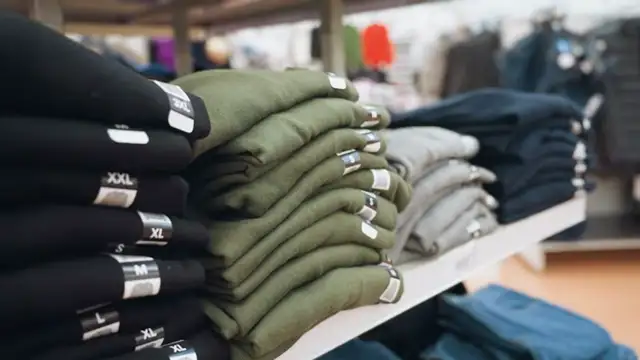
White Label
For creators going D2C with owned-brand merchandise lines.Launch your own label 3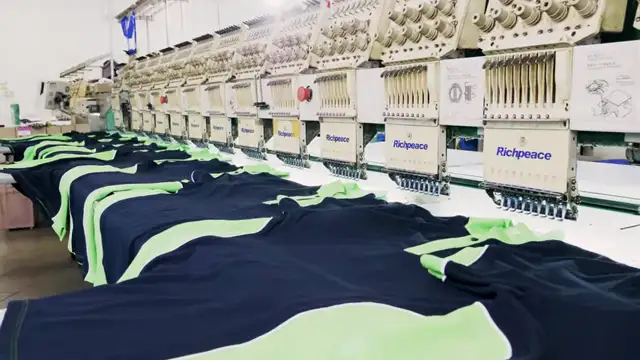
Bulk Order
For dance crews, drama societies, and bands placing 100+ units at a launch event.Plan a launch run 4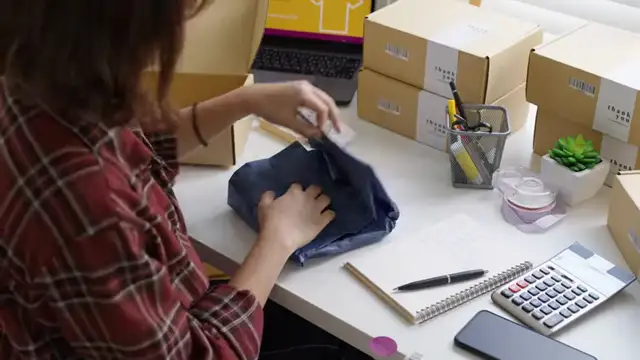
Dropshipping
For Shopify storefronts and social commerce with per-order fulfilment.Connect your storefrontClient stories
Real projects, real numbers.
Past projects we have delivered. Read the brief, the spec, the lead time, and what shipped.
 Creators
1Ksetravid — Indian Metal Band
Why Ksetravid Handed Merchland Its Entire Merch Operation
 Creators
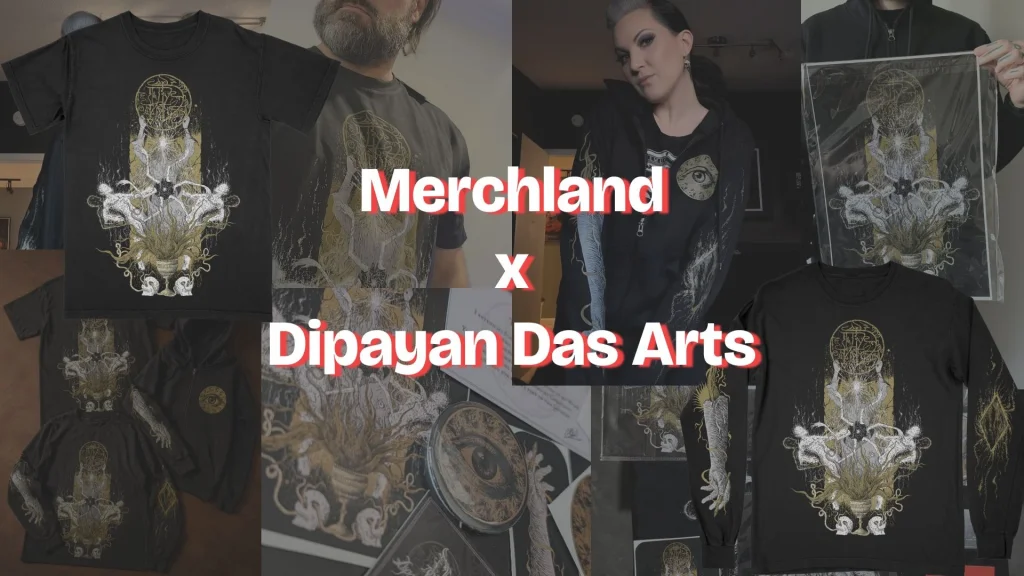
2Dipayan Das Arts — Artist
From Metal Logos to Merch: Dipayan Das Arts' 11-Category Drop
 Creators
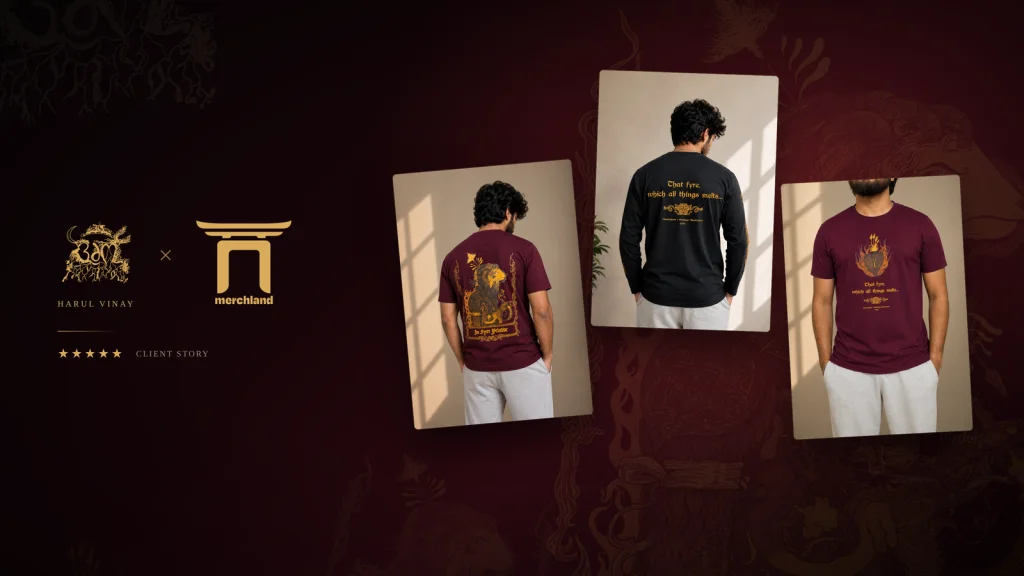
3Harul Vinay — Independent Artist
How Harul Vinay & Vasantaghara Built a Contemporary Merch Collection from Their Artistic Practices
Frequently asked
Before you announce the drop
Real questions from first-time droppers, established creators, and creator-economy agencies.
1How do YouTubers make merch?
Most start by choosing a blank, sending artwork, and approving a physical sample before anything is produced in volume. From there it splits two ways: print-on-demand fulfils each order as it arrives, so nothing is made until someone buys, while a bulk run is produced up front at a lower per-piece cost. We handle both, and neither carries a minimum — a single sample is a valid first order.
2How do bands make merch?
The same way creators do: pick 2–3 pieces your fans will actually wear — usually a tour or album tee, a hoodie and a tote — send the artwork, approve a physical sample, then choose how to produce. Sell online on print on demand, so nothing is printed until a fan orders, and do a bulk run before a tour or gig so you have stock to sell at the merch table. Both ship under your band's name, never ours.
3What band merch sells best?
Black tees with the album art or tour dates on the back are the steady sellers, then hoodies for colder gigs and tours, and totes or caps as lower-priced add-ons. Limited runs — a tour-only design or a numbered drop — sell faster than evergreen stock. Keep sizes weighted to M and L, and reorder only the designs that move.
4Why is YouTuber merch so expensive?
Two things usually drive it. The run was small, so the per-piece cost was high, and a storefront or platform took a cut of each sale. Per-piece cost falls as quantity rises, and fabric weight and print method account for most of the rest. Since there is no minimum here, you can approve a sample, see the real per-piece cost at the quantity you are actually considering, and price your drop from that instead of guessing.
5What is the YouTube merch shelf, and do I need one?
It is a YouTube feature that displays products beneath your videos, linked to a storefront rather than replacing one — YouTube publishes which storefront partners it supports, and that list changes, so check it against your setup. Either way it is a sales surface, not a supplier: the merchandise still has to be made, packed and shipped by someone. That is the part we handle, whichever storefront you sell through.
6How do creators sell merchandise in India?
Creators sell merchandise either through (a) print-on-demand platforms that fulfil per-order with no inventory commitment, (b) bulk pre-orders sold to engaged followers at fixed launch dates, or (c) D2C stores with their own white-label inventory. POD is the most common entry path — creators with 10K+ engaged followers typically sell 50-100 units on a first drop. Promotion happens via the creator's primary channel (YouTube, Instagram, band tour shows) with a launch announcement video / post.
7POD vs white-label — which one is right for my drop?
POD if: it's your first or second drop, you don't want inventory risk, units are under 200 per design, you want to test demand. White-label if: you're building a recurring merch line, you have 1,000+ engaged followers willing to pre-order, you want full control over packaging and labels, and your design has staying power across multiple drops. Most creators start with POD, transition to white-label after 2-3 successful drops.
8What follower count do I need before launching merch?
There is no threshold you have to clear. Engagement predicts merch sales far better than follower count does — a small audience that turns up for every upload will out-sell a large passive one, and touring bands convert at lower counts because attendance concentrates demand. Because there is no minimum order, you can approve a sample, run a pre-order to see who actually buys, and size the run from that. This removes the guesswork the follower-count rules of thumb are trying to substitute for.
Start your run
First drop, zero inventory risk.
First merch drop? Don't bulk-order 200 hoodies before you know if 20 will sell. Print-on-demand is built for the launch. Your audience clicks buy, we print one, we ship it from India on heavyweight French Terry or cotton 3T fleece (not basic 180 GSM), your DM doesn't fill up with sizing complaints. No inventory. No basement full of unsold tees. When the same design sells out three drops in a row, that's when bulk and white-label start earning their keep. Until then, drop with zero downside.
Quote in 24 hoursWorldwide dispatchGST + PO billing